
- October 19, 2026
- Posted by: Robert Katz
- Category: Dog Bite Injuries
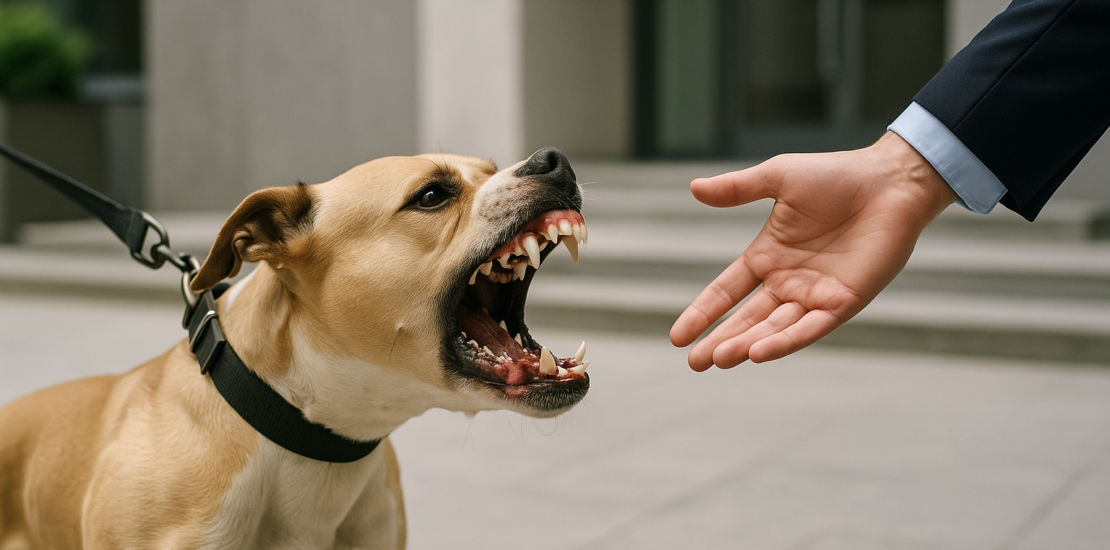
Most people assume the dog’s owner personally writes the check after an attack, and that is rarely how it works. The money almost always comes from a homeowners or renters insurance policy, and sometimes from a landlord, a kennel, or a business that knew an animal was dangerous. Sorting out who is financially responsible is the first thing a dog bite accident lawyer does, because that answer decides whether your medical bills get paid in full or only partially.
The Insurance Policy Behind Most Dog Bite Claims
Homeowners and renters liability coverage pays the overwhelming majority of dog bite settlements in the United States. According to the Insurance Information Institute, insurers handled roughly 19,000 dog-related injury claims in a recent year, paying out more than $1.1 billion, with an average claim value near $58,500.
Those averages hide a wide spread. A single puncture wound treated in urgent care may settle in the $5,000 to $15,000 range, while a facial attack on a child requiring surgery can move into six figures. The policy limit matters more than most victims realize, since many standard policies cap liability at $100,000 or $300,000.
Strict Liability States Versus the One-Bite Rule
Liability law for animal attacks splits into two broad camps. In strict liability states, the owner is responsible for medical costs whether or not the dog had ever shown aggression before, which removes a major hurdle from your claim.
In one-bite jurisdictions, you generally have to show the owner knew or should have known the animal was dangerous. Evidence of that knowledge can include prior complaints to animal control, a “Beware of Dog” sign, muzzle use, or neighbors who witnessed earlier lunging and snapping. Pennsylvania sits in a middle position: owners are responsible for medical bills regardless of history, but recovering pain and suffering damages usually requires proof of a severe injury or a known vicious propensity.
Owners Are Not the Only Party Who Can Be Held Responsible
When the owner has thin coverage or none at all, the search for a responsible party widens. Depending on where the attack happened and who had control of the animal, a claim may reach:
- Landlords and property managers who knew a tenant kept a dangerous dog and did nothing, particularly when the bite happened in a shared hallway, yard, or laundry area.
- Dog walkers, sitters, groomers, and boarding kennels who had custody of the animal at the time, each of whom typically carries commercial liability insurance.
- Businesses that allow dogs on site, including patios, stores, and offices, when staff ignored obvious warning signs.
- Parents or guardians of a minor who owned the dog, since the household policy usually extends to resident family members.
- Breeders and sellers who misrepresented an animal’s bite history to a buyer.
Two or three of these parties can be pursued at once. A claim against both a tenant and a property owner frequently doubles the available insurance money, which matters enormously in cases involving reconstructive surgery.
What Happens When the Dog Owner Has No Insurance
Uninsured owners are common, and some insured owners have less protection than they think. Many carriers exclude specific breeds outright, and others add a “one-bite exclusion” after a prior incident, meaning the second attack is uncovered.
When no liability policy responds, the remaining options include the owner’s personal assets, an umbrella policy, the medical payments coverage on your own homeowners policy (often $1,000 to $5,000 with no fault required), and your health insurance, which will typically assert a reimbursement lien against any later settlement. An experienced dog bite accident lawyer in Philadelphia will negotiate those liens down, which can quietly add thousands of dollars to what you actually keep.
The Costs That Arrive Years After the Stitches Come Out
Children account for a disproportionate share of serious bite injuries, and their wounds tend to land on the face, head, and neck because of their height. Plastic surgeons often wait until facial growth slows before performing scar revision, which means the surgery a five-year-old needs may not happen until adolescence.
Each revision procedure commonly runs $3,000 to $10,000, and many children need more than one. Settling a claim before a surgeon has estimated the full course of treatment is the single most expensive mistake families make, since a signed release closes the file permanently.
Psychological injury is just as real. Post-traumatic stress, fear of animals, and sleep disruption after an attack are well documented by the American Veterinary Medical Association, and treatment records from a therapist carry weight with adjusters who otherwise focus only on scar photographs.
How Adjusters Try to Shift Fault Back Onto the Victim
Insurance companies defend these claims on three familiar theories: provocation, trespass, and assumption of risk. A child who hugged a dog or a delivery driver who stepped past a gate will hear all three.
Comparative negligence rules let an insurer reduce your recovery by your assigned share of blame, so a 20 percent finding against you trims a $50,000 settlement to $40,000. Young children are generally held to a far lower standard of care than adults, a point worth raising early when an adjuster suggests a six-year-old provoked the attack. The same fault-shifting tactics show up across personal injury claims handled for clients in Havertown and nearby communities, and the response is the same: documented facts beat assumptions.
Evidence and Deadlines That Decide the Outcome
Dog bite cases are won with paperwork gathered in the first week. Report the incident to animal control so an official record exists, photograph the wounds daily for two weeks before scabbing changes their appearance, and request the dog’s rabies vaccination records through the health department.
Our step-by-step breakdown of what to do immediately after a dog bite covers the medical and reporting sequence in detail. On timing, most states allow two years from the date of the attack to file suit, with the clock often paused for minors until they turn 18, though waiting that long usually means witnesses have moved and the dog’s history has gone cold.
Talk With Katz Injury Law About Your Dog Bite Claim
Katz Injury Law handles animal attack claims from the first animal control report through the final scar revision estimate, and we deal directly with the adjusters so families can focus on healing. Contact us today for a free review of your case and a straight answer about what your claim is worth.