
- October 2, 2026
- Posted by: Robert Katz
- Category: Motorcycle Accidents
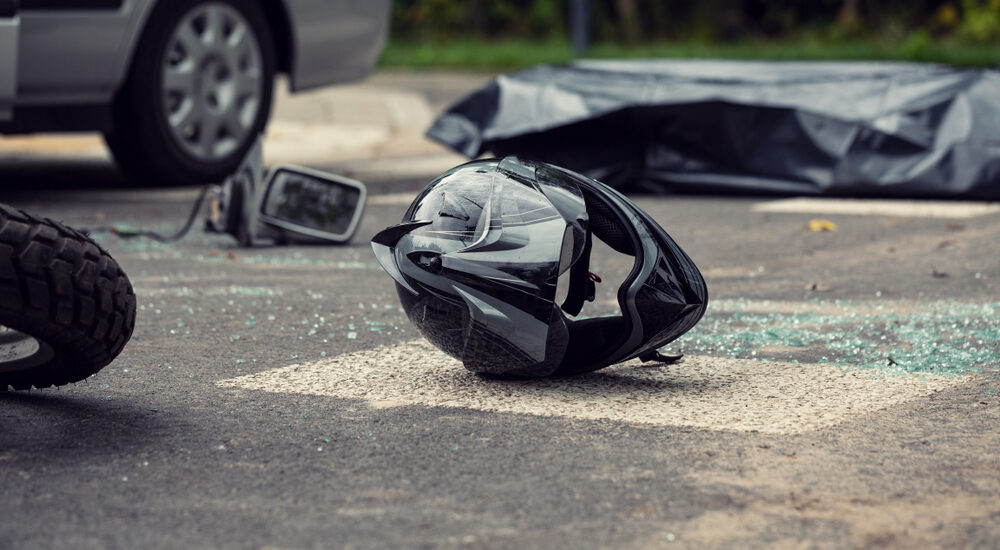
The adjuster may have already decided you were speeding, weaving, or riding recklessly, before anyone pulled the police report or looked at the skid marks. That assumption has a name among riders and the attorneys who represent them: biker bias. A motorcycle accident lawyer spends a large share of every case dismantling it, because the physical evidence usually tells a very different story than the one the other driver gave at the scene.
Katz Injury Law handles these claims with that reality in mind from day one. The goal is to lock down proof before the other side’s version hardens into “fact.”
What Biker Bias Looks Like Inside a Claim File
Bias rarely shows up as an insult. It shows up as small decisions that quietly shrink the value of your claim, often before you have finished your first round of physical therapy.
- Fault assigned by vehicle type. The driver says “he came out of nowhere,” and the adjuster treats that as evidence of excessive speed with nothing to back it up.
- Gear used against you. A loud exhaust, aftermarket pipes, or a sport bike becomes shorthand for aggressive riding.
- Injuries discounted. Road rash, degloving, and orthopedic hardware get framed as “risks you accepted when you got on a motorcycle.”
- Helmet arguments. Even in states where adult riders may legally ride without one, insurers raise it to shave percentage points off your recovery.
- Lowball timing. An offer arrives in week two, while you are medicated and out of work, and it expires fast.
Witnesses carry the same instincts. A bystander who did not actually see the moment of impact will often still describe the bike as moving “really fast,” because that matches what people expect to see.
The Data Does Not Support the Stereotype
Motorcyclists are genuinely more exposed in a crash. According to the National Highway Traffic Safety Administration, riders are killed at a rate roughly 22 times higher than passenger vehicle occupants per mile traveled, which reflects the absence of a crumple zone, not reckless behavior.
Fault patterns point the other way too. Research from the Insurance Institute for Highway Safety and federal crash data consistently show that in multi-vehicle motorcycle crashes, the other driver frequently violates the rider’s right of way, most often by turning left across the bike’s path at an intersection or driveway.
Those left-turn collisions follow a recognizable script, which is why we wrote separately about who is really at fault in left-turn accidents. Drivers look for a car-sized gap and simply do not register a single headlight.
Evidence That Beats an Assumption
Arguments about rider behavior collapse when there is hard proof of what actually happened. The challenge is that motorcycle evidence disappears faster than car evidence: your bike gets hauled to a salvage yard, your gear gets cut off in the trauma bay, and intersection camera footage may be overwritten within 7 to 30 days.
- Photograph the full scene, including the other vehicle’s final resting position, debris field, gouge marks, and sight lines from the driver’s seat.
- Preserve the motorcycle and your gear. A scuffed helmet, a torn jacket, and crush damage on the forks all help a reconstructionist calculate speed and impact angle.
- Get names of independent witnesses, especially anyone who was stopped behind the turning driver.
- Send preservation letters quickly for traffic camera, doorbell, and business surveillance video.
- Request the vehicle’s event data recorder when the at-fault car is late model, since it can show throttle, braking, and steering inputs.
Riders who are conscious and able should also review our walkthrough of the immediate actions to take at a motorcycle accident scene, because the first hour shapes everything that follows. If you were transported by ambulance, a lawyer can reconstruct most of it later.
Shared Fault Is Not the End of Your Claim
Insurers lean on partial fault because it costs them nothing to suggest it. In most states, including Pennsylvania, you can still recover damages as long as you are not more at fault than the other party, though your award is reduced by your share. A rider found 20 percent responsible for a $200,000 verdict collects $160,000.
That math is exactly why a disputed 10 or 15 percentage points matters so much, and why we explain how comparative negligence works in plain terms. Expect the defense to argue lane position, conspicuity, and reaction time.
What Compensation Actually Covers
Motorcycle injuries skew severe, so the damages picture is usually broader than a typical fender bender claim. A thorough case workup looks at:
- Medical costs, including surgeries, hardware removal, skin grafts, and future procedures your orthopedist anticipates.
- Lost income and reduced earning capacity if nerve damage or a fused joint limits the work you can do.
- Pain, disfigurement, and scarring, which juries treat seriously in road rash and amputation cases.
- Property damage for the bike, helmet, riding gear, and aftermarket parts.
- Underinsured motorist benefits when the at-fault driver carries minimum limits that do not cover a week in the ICU.
Many riders are surprised by that last one. A $15,000 or $25,000 liability policy evaporates in a single ambulance ride and emergency surgery, so your own coverage often becomes the real source of recovery.
How Katz Injury Law Builds a Rider’s Case
Our firm treats the bias problem as a proof problem. That means hiring accident reconstruction experts early, obtaining 911 audio and dispatch logs, measuring sight distances at the intersection, and deposing the at-fault driver about exactly where they looked and when.
It also means controlling the narrative. We prepare clients for recorded statements, keep medical records organized so no gap in treatment gets twisted into “he must have been fine,” and present the rider as a person with a job, a family, and a long clean driving history. For a closer look at the mechanics, read how a lawyer helps after a motorcycle accident.
Katz Injury Law works on a contingency fee, so the consultation is free for riders searching for a motorcycle accident lawyer in Philadelphia and there is no fee unless we recover money for you.
Talk to Katz Injury Law About Your Motorcycle Case
If an insurance company is already hinting that you were going too fast or should not have been on the bike, get an accident lawyer involved before that story sets. Contact us today for a free consultation, or call to have a lawyer review your police report, photos, and medical records at no cost.