
- May 31, 2026
- Posted by: Robert Katz
- Category: Personal Injury
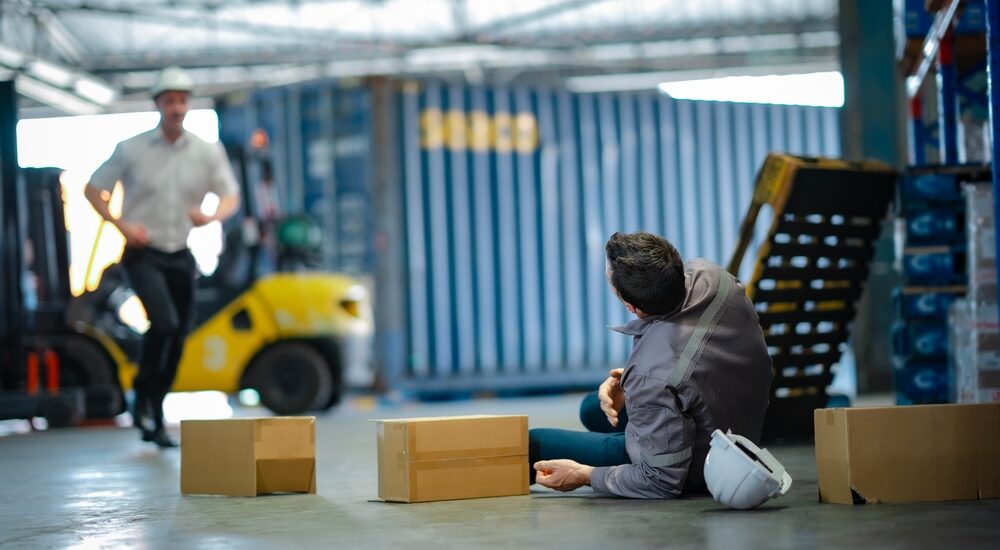
You clock in for the morning shift, grab a hot cup of coffee, and head directly to your workstation. Suddenly, your foot strikes an unexpected wet patch on the floor, and you go down incredibly hard. Workplace accidents happen every single day, but exactly what percentage of workplace accidents are slips, trips, and falls?
According to federal safety data, these specific incidents account for roughly 25% to 27% of all non-fatal occupational injuries. That represents a massive chunk of the overall safety puzzle that managers must solve on a daily basis. Understanding these slip, trip, and fall statistics helps companies protect their most valuable assets from completely preventable injuries and lengthy hospital stays. When corporate negligence leads to hazardous floor conditions, consulting experienced slip and fall lawyers in Delaware allows injured workers to protect their rights and secure fair compensation. Katz Injury Law reviews these metrics closely to help victims navigate the aftermath of a sudden structural or maintenance failure on the job. No one should have to face the burden of medical bills due to a company’s failure to maintain a safe environment. Proactive legal representation guarantees that corporate entities are held fully accountable for their operational oversights. Retaining an advocate early prevents critical details from being lost to fading memories.
The True Impact of Workplace Falls
The numbers tell a highly compelling story about employee safety and OSHA compliance across the United States commercial sector. Recent data published by the Bureau of Labor Statistics reveals that these incidents consistently rank as the second leading cause of occupational injuries. Only physical overexertion causes more days away from work for the average American employee.
Let us break down the exact math regarding what percentage of workplace accidents are slips, trips, and falls. Roughly one in four reported injuries falls directly into this specific category of workplace physical trauma. This translates to nearly 230,000 non-fatal injuries annually that require significant time away from normal work duties. Tragically, the Occupational Safety and Health Administration reports that falls also cause approximately 15% of all accidental deaths on the job, highlighting why safety protocols demand rigorous daily enforcement. These fatal incidents represent preventable tragedies that devastate families across the nation.
Identifying Safety Hazards: Slips, Trips, and Falls Defined
People often group these three descriptive terms together, but they represent entirely different physical mechanics and distinct safety hazards. Understanding the specific differences helps safety managers identify hidden dangers across their facilities.
- Slips: A slip happens when there is far too little friction between your footwear and the physical walking surface. Common culprits include freshly mopped floors, unexpected liquid spills, or icy company parking lots during winter months.
- Trips: Trips occur when your foot strikes a solid object while your upper body continues moving rapidly forward. Cluttered walkways, uncovered electrical cables, and uneven flooring frequently trigger these sudden accidents.
- Same-Level Falls: These happen when you tumble directly onto the flat surface you are currently standing on, usually resulting from a preceding slip or a sudden trip over an unseen object.
- Falls to a Lower Level: These terrifying incidents happen when workers tumble from tall ladders, elevated scaffolding, commercial roofs, or open loading docks, presenting a substantially higher risk of catastrophic injury or death.
Financial Impact, Industry Trends, and Legal Accountability
The total financial impact of these accidents extends far beyond simple emergency room bills and doctor visits. Companies pay heavily for claims related to severe bone fractures and traumatic brain injuries, with direct costs reaching into the tens of billions annually. If an employer ignores known physical hazards, they dramatically increase their corporate liability. Federal safety inspectors issue willful violation citations if they prove a business knew about a danger but failed to fix it.
While anyone can trip over a loose computer cord, certain professions carry significantly higher physical risks. Construction workers face constant dangers from uneven terrain, open excavations, and high-altitude work zones. Healthcare professionals also move through highly dangerous physical environments every single shift, navigating slick hospital corridors while pushing heavy equipment. Retail and food service workers round out the list due to a treacherous combination of hot kitchen grease, spilled water, and fast-paced physical movement. Business owners in these sectors have a heightened duty of care to implement strict floor-safety monitoring.
Identifying the specific industry-level failure point is a key part of building a successful third-party liability lawsuit. Gathering eyewitness statements immediately following an incident also prevents property managers from altering the scene before an official inspection can occur. Insurance adjusters often use early structural cleanups to downplay the severity of the hazard you encountered. Company representatives might also pressure you to sign statements before you fully comprehend the extent of your physical limitations.
| Industry Sector | High-Risk Environmental Factors | Common Resulting Injuries |
| Construction | Uneven terrain, high scaffolding, un-railed rooftops | Severe fractures, spinal cord trauma, fatalities |
| Healthcare | Freshly sanitized corridors, fluid spills, patient transfers | Wrist sprains, torn ligaments, chronic back strains |
| Food Service | Kitchen grease buildup, dishwashing spray, cluttered aisles | Knee damage, concussions, severe joint dislocations |
| Retail / Warehousing | Unwrapped pallet straps, loose packing material, high ladders | Head injuries, broken ankles, shoulder tears |
Implementing Workplace Injury Prevention Measures
Knowing exactly what percentage of workplace accidents are slips, trips, and falls means absolutely nothing without decisive action. You must implement highly proactive safety measures to protect your hardworking workforce from gravity’s unforgiving pull. Creating a safer environment requires a systematic approach to identifying and eliminating physical hazards.
First, walk through your entire facility specifically looking for wet surfaces, uneven flooring, and trailing electrical cables. Next, implement engineering controls by installing proper overhead lighting, applying anti-slip floor treatments to slick areas, and securing all loose lobby carpets. Finally, educate your employees on proper slip-resistant footwear requirements, hazard reporting procedures, and the dangers of distracted walking.
Taking these steps severely cuts down the likelihood of an unexpected medical emergency. An attorney can help uncover internal safety logs and maintenance records that prove a chronic hazard was actively neglected by management. Establishing a history of unaddressed safety complaints can substantially increase the strength of an injury claim. Securing this type of corporate documentation provides the leverage needed during pre-trial negotiations. This evidence acts as a powerful shield against corporate defense tactics that attempt to blame the victim. A well-documented file forces insurance companies to evaluate your claim based on undeniable facts rather than speculation. Contact Katz Injury Law today to discuss your case with a dedicated legal professional and explore your options for recovery.